
The Story Beneath Your Feet: How Folly Beach Is Always Changing
The Story Beneath Your Feet: How Folly Beach Is Always Changing
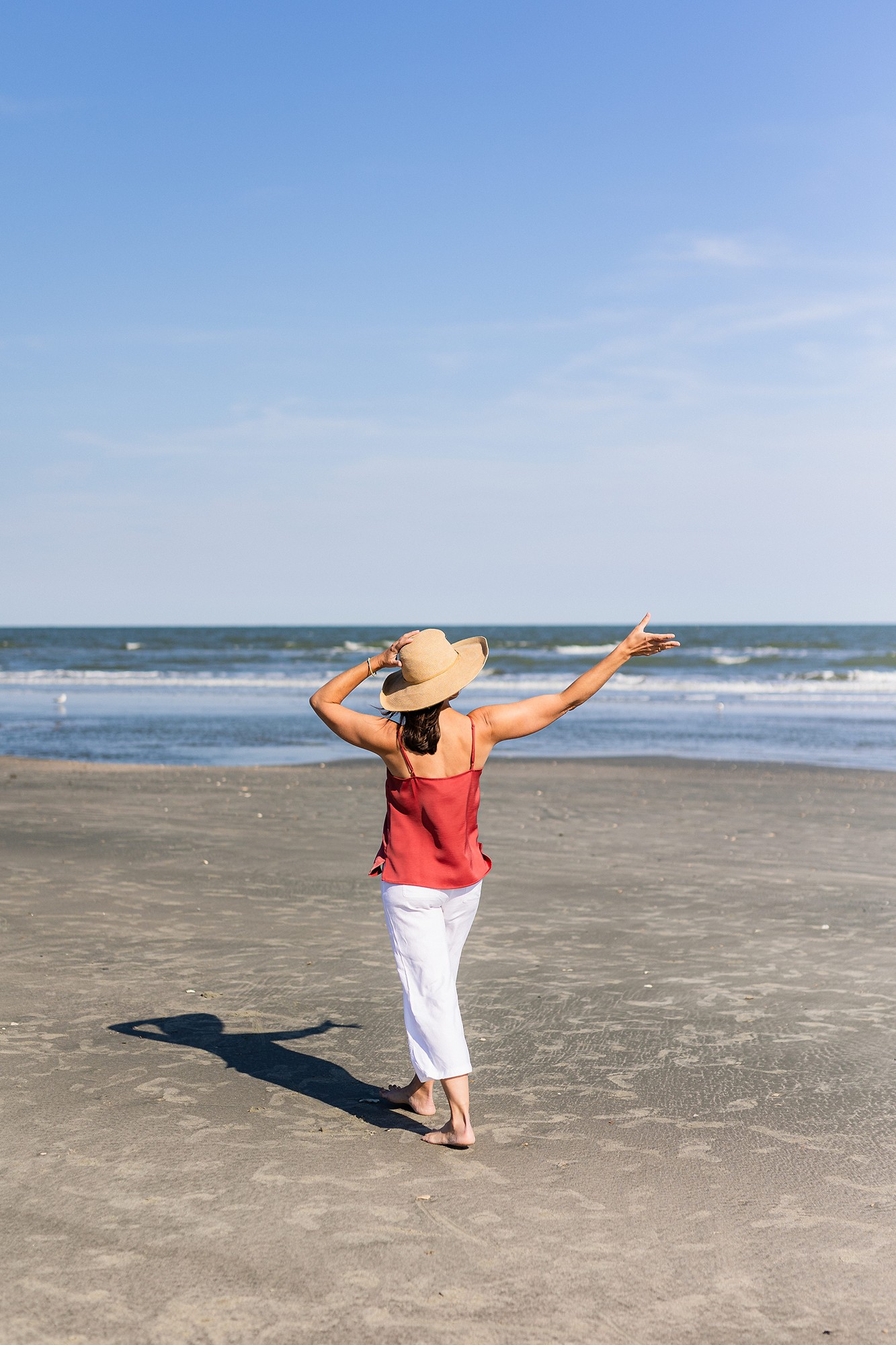
Take a morning stroll along Folly Beach, and you might notice the tide has pulled back, revealing a wide stretch of smooth, glistening sand. Waves roll gently ashore, sea oats sway in the coastal breeze, and the island seems perfectly still.
But beneath that peaceful scenery, something remarkable is happening.
The sand beneath your feet is constantly moving. Waves, tides, and wind are quietly reshaping the shoreline, just as they have for thousands of years. In fact, the Folly Beach you explore today isn’t quite the same one visitors experienced decades ago.
That’s because Folly Beach is a barrier island, and change is part of its nature.
An Island Built to Change
Unlike landscapes that remain relatively fixed, barrier islands are constantly evolving.
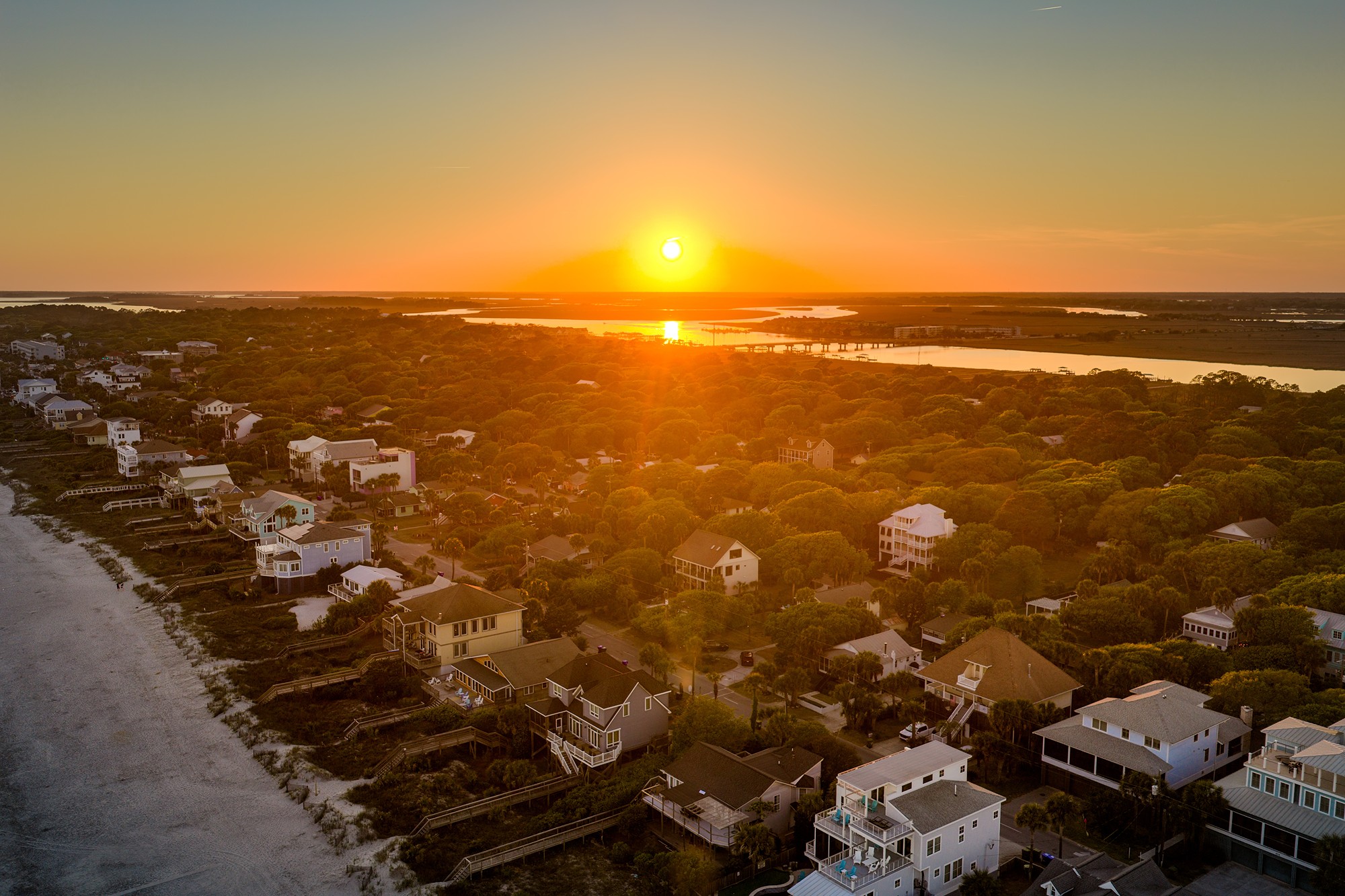
According to the National Oceanic and Atmospheric Administration (NOAA), barrier islands are long, narrow stretches of sand that form parallel to the coastline. They are shaped by the movement of waves, currents, tides, and wind, which continually transport sand from one place to another.
Over time, these natural forces can cause shorelines to expand, retreat, or gradually shift.
Barrier islands also serve an important purpose. Their beaches and dunes help absorb wave energy and provide a natural buffer between the Atlantic Ocean and the coastal environments beyond.
Here on Folly, that ever-changing landscape is part of what makes the island so special.
A Little Movement With Every Wave
Have you ever walked along Folly Beach at low tide, only to return a few hours later and find the ocean much closer to the dunes?
You’ve witnessed one of the island’s most familiar transformations.
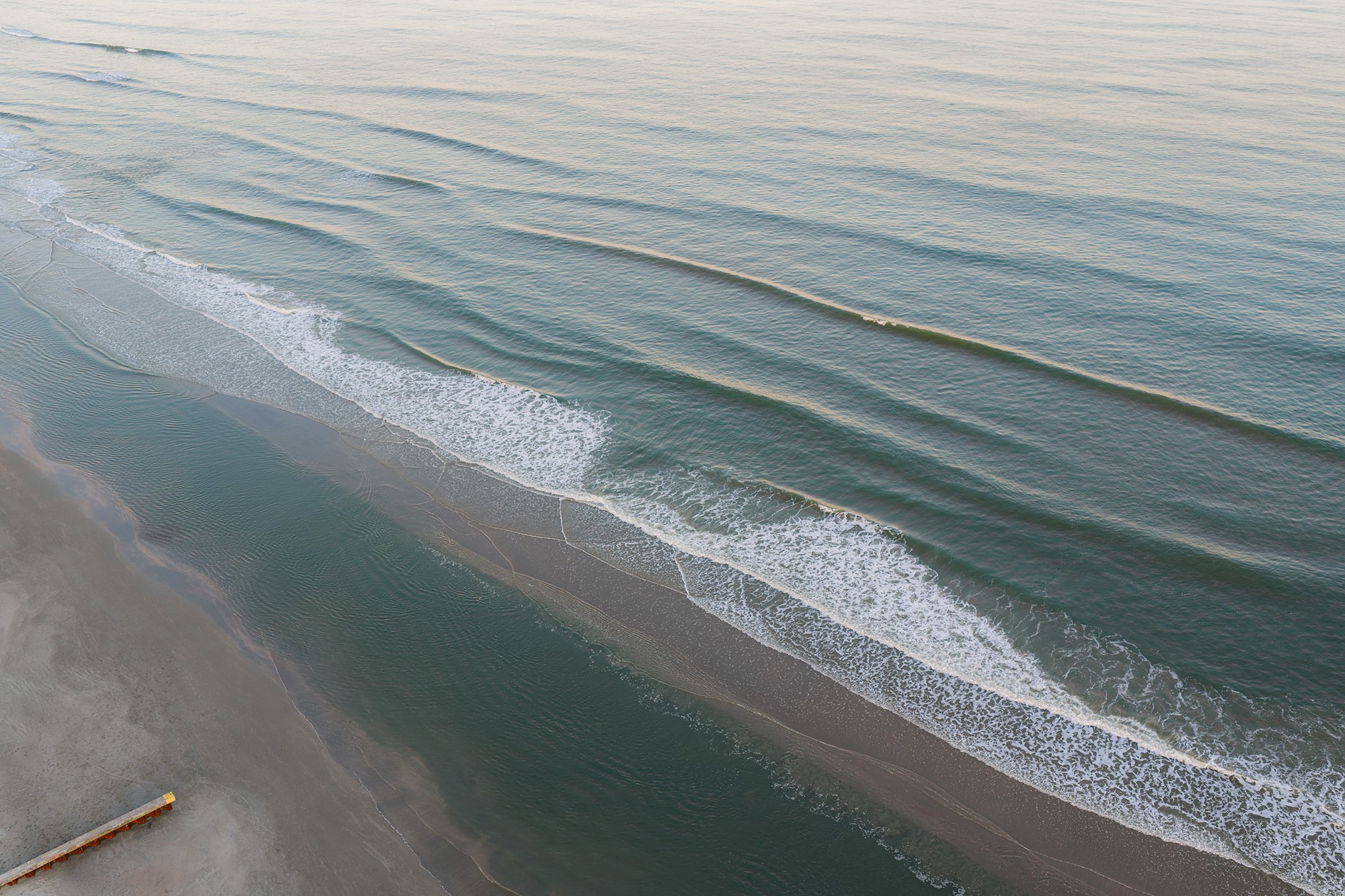
As tides rise and fall, they change how much of the beach is exposed. Meanwhile, waves and coastal currents carry sand along the shoreline, gradually shifting it from one location to another.
Wind plays a role, too, carrying loose grains of sand across the beach. During storms, stronger waves and elevated water levels can reshape the shoreline much more dramatically.
Sometimes sand accumulates, creating wider stretches of beach. Other times, erosion removes sand from certain areas.
It’s a natural balancing act, although Folly’s shoreline has an interesting history of its own.
Folly’s Own Story of Sand and Shoreline
While erosion is a natural part of barrier-island life, Folly Beach has experienced additional challenges for more than a century.
In the late 1800s, the construction of the Charleston Harbor jetties altered the natural movement of sand along the coast. By interrupting the flow of sediment from north to south, the jetties reduced the amount of sand naturally reaching Folly’s shoreline.
Today, the City of Folly Beach works alongside the U.S. Army Corps of Engineers to address erosion through beach preservation and renourishment efforts.
These projects add sand to help restore the shoreline and strengthen its ability to withstand coastal storms. In 2024, a major beach renourishment project placed approximately 1.7 million cubic yards of sand along Folly Beach.
It’s an ongoing effort to care for an island that never truly stands still.
The Quiet Work of the Dunes
Next time you’re walking along Folly, take a moment to appreciate the dunes lining the beach.
Those sandy hills, dotted with sea oats and coastal grasses, do much more than create a beautiful landscape.
As wind carries sand inland, vegetation helps capture it, allowing dunes to develop and grow. These natural formations help absorb wave energy and provide an important layer of protection during storms.
But dunes are also fragile.
That’s why staying off the dunes, respecting coastal vegetation, and using designated beach walkovers are such important ways to help protect Folly’s shoreline.
Even the smallest thoughtful actions can make a difference in preserving the island’s natural beauty.

The Beauty of an Ever-Changing Island
Perhaps one of the most wonderful things about Folly Beach is that no two visits are ever exactly alike.
The tides shift, the shoreline changes, and each passing season brings something a little different to discover.
So, the next time you find yourself wandering along the Edge of America, slow down and take a closer look. Notice the patterns left by the retreating tide, the grasses dancing along the dunes, and the waves gently rearranging the sand.
Because every grain beneath your feet is part of a much bigger story, one that continues to unfold with every passing wave.