
Wild Folly: Meet the Animals That Call Folly Beach Home
Wild Folly: Meet the Animals That Call Folly Beach Home
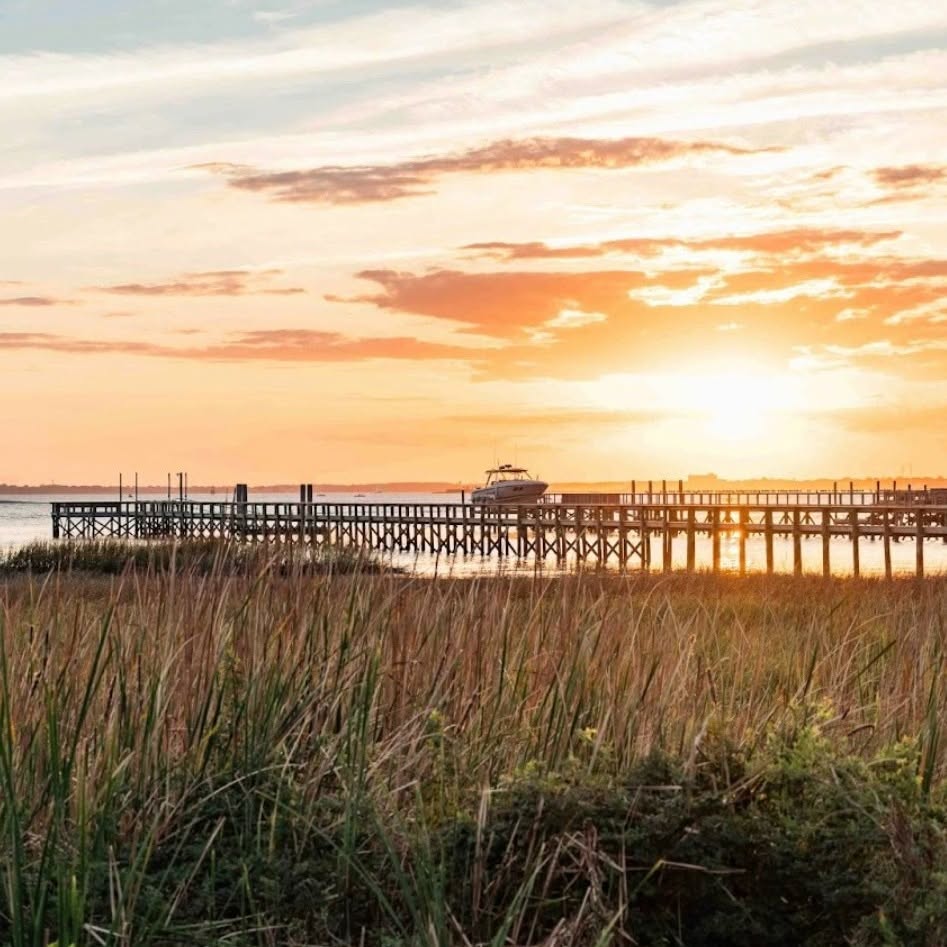
Folly Beach may be known as the “Edge of America,” but the island belongs to more than surfers, beachgoers, and vacationers. Beyond the colorful Center Street shops and sandy stretches of beach, Folly is surrounded by tidal creeks, salt marshes, maritime forest, dunes, and protected coastal habitat. Together, these environments create a home for an impressive variety of wildlife.
So, while you are looking for the perfect wave or settling in for a Folly sunset, keep an eye out. Some of the island’s most memorable residents may be swimming, flying, or scurrying nearby.
Dolphins in the Folly River
One of Folly’s most recognizable wild residents is the bottlenose dolphin. Dolphins can be spotted in the waters around the island, including the Folly River and its surrounding tidal creeks.
Folly is also known for a remarkable behavior called strand feeding. Dolphins work together to herd fish toward the muddy shoreline before briefly pushing themselves partly onto the bank to catch their prey. It is an unusual sight and one of the most fascinating examples of local wildlife in action.
If you are exploring the waterways by kayak or boat, keep your eyes on the surface. A dorsal fin appearing in the distance might be your first clue that a pod is nearby.

Birds From the Beach to the Marsh
Folly Beach is an Audubon Birding Hotspot, with hundreds of bird species recorded across the island. The north and south ends each offer their own opportunities for birdwatching.
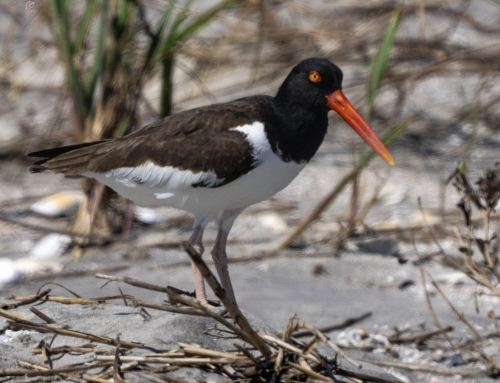
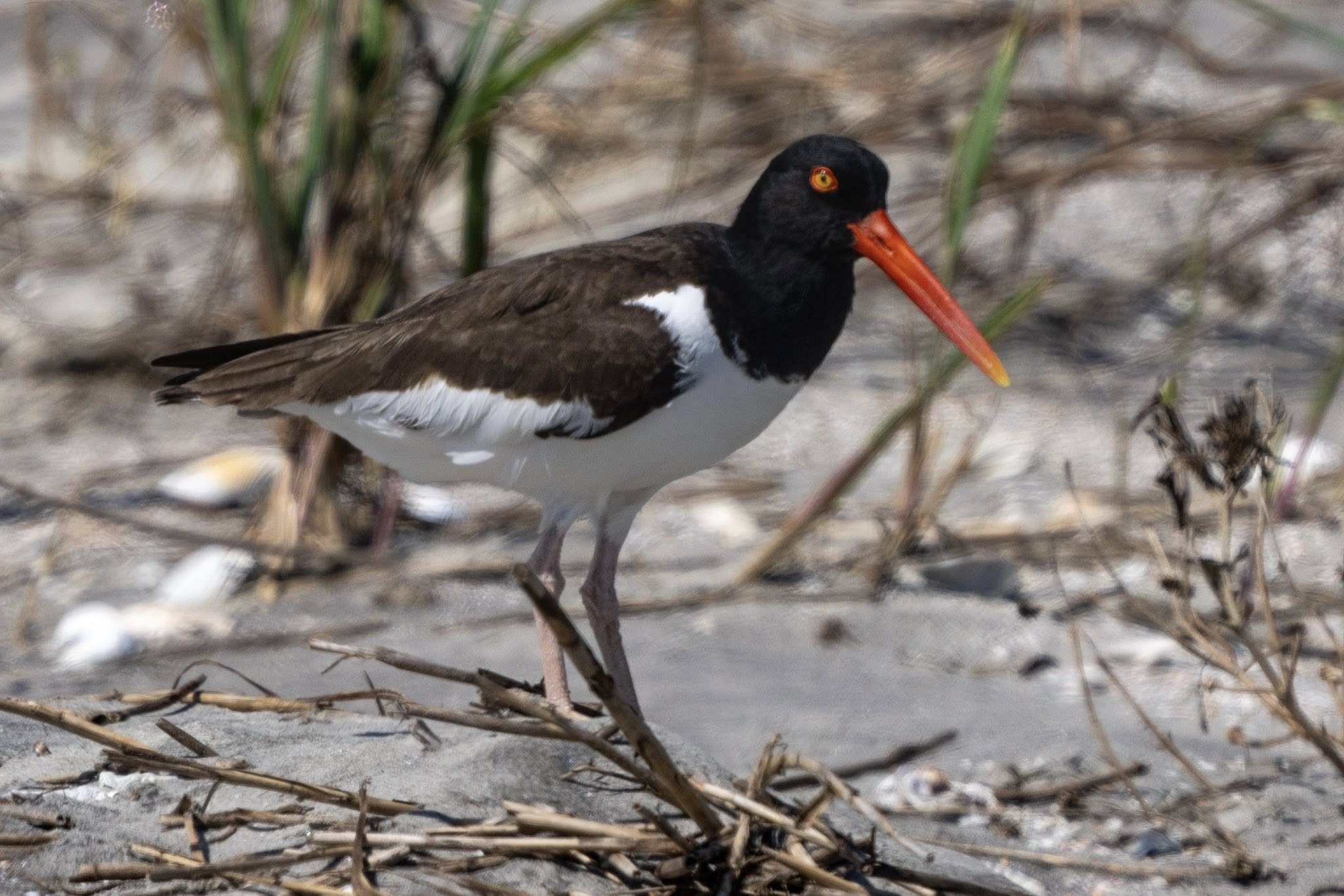
At the north end, the Lighthouse Inlet Heritage Preserve and Maritime Forest provide important habitat for coastal birds. Watch for American Oystercatchers, Wilson’s Plovers, Least Terns, and Willets.
On the south end, Folly Beach County Park and nearby Bird Key offer another chance to spot coastal species. Depending on the season, visitors may encounter everything from White Pelicans and Roseate Spoonbills to Ospreys and Ruddy Turnstones.
Bring binoculars if you have them, but even a casual walk can turn into an unexpected birdwatching adventure.
Loggerhead Turtles on the Beach
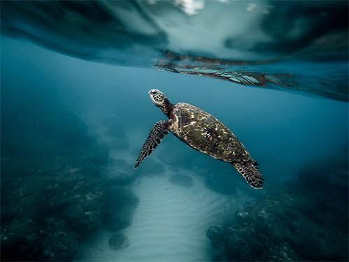
From May 1 through October 31, Folly’s shoreline becomes nesting habitat for loggerhead sea turtles.
Female loggerheads come ashore after dark to lay their eggs in the sand. Weeks later, hatchlings emerge and make their way toward the ocean. Artificial light can disorient them, which is why Folly’s turtle-protection efforts include keeping beachfront lighting from shining toward the water.
Visitors can help by keeping lights off the beach at night, staying away from marked nests, avoiding flash photography, and filling in large holes before leaving for the day. If you happen to encounter a nesting turtle or hatchling, give it plenty of space and let it continue its journey undisturbed.
Look Down: Ghost Crabs
Not every Folly wildlife encounter requires binoculars.
Along the beach, keep an eye out for tiny holes in the sand. You may have found an Atlantic ghost crab. These quick-moving beach residents spend much of their time in burrows and can disappear into the sand almost as quickly as they appear.
They are easy to overlook, but once you start noticing the little holes and sideways scurrying, a simple walk along Folly’s beach becomes a wildlife scavenger hunt.
The Wild Side of the Marsh
Turn away from the Atlantic and toward Folly’s marshes, and the island takes on a completely different character.
The salt marshes and tidal creeks surrounding Folly are constantly changing with the tides. At low tide, mudflats and oyster beds emerge and become feeding grounds for birds. As the water rises, the creeks fill again, carrying fish, shrimp, crabs, and other marine life through the marsh.
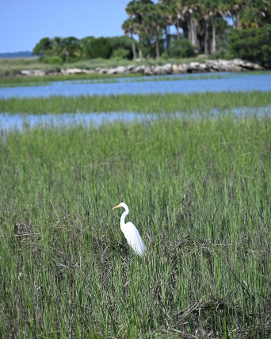
Look closely among the grasses and you might spot fiddler crabs, blue crabs, herons, egrets, or an Osprey circling overhead. The marsh can even be home to more elusive species such as Clapper Rails and diamondback terrapins.
The marsh isn’t simply scenery. It is an important part of the Lowcountry ecosystem, providing habitat for wildlife while helping filter water, reduce erosion, and support the coastal food web.

Come for the Beach, Stay for the Wildlife
One of the best parts of Folly Beach is that you never quite know what you might see.
A dolphin surfacing in the river. A pelican diving offshore. A loggerhead nest marked in the sand. A ghost crab disappearing beneath your feet. A Spoonbill flying over the marsh.
These moments are part of what makes Folly different. So, on your next visit, slow down and look around. The beach may be why you came to Folly, but the wild residents of the island might just give you another reason to stay.